This nursy plays dirty and does it with pain...
Showing posts with label Nursy talk. Show all posts

Tuesday, July 24, 2007

A talk about ... Universal Health Care

Wikipedia defines UNIVERSAL HEALTH CARE as - publicly funded medicine in a level of medical service that is paid wholly or in majority part by public funds (taxes or quasi-taxes). Publicly funded medicine is often referred to as "socialized medicine" by its opponents, whereas supporters of this approach tend to use the terms "universal health care", "single payer health care", or National Health Services.

You might not agree but I think our present health care system needs a lot of overhauling. When I was in nursing school and did my ER (emergency room) clinical rotation, I told myself that was one department I would not want to get into. My reason then was that I saw the abuse in the health care system and saw clientele that ER seemed to carry on... the drug abusers and the "needy" people.

I stayed away from that area of nursing expertise for a few years until two girlfriends talked me into trying it out... My reason for not wanting to work there remain the same as to this day... seeing the abuse in the health care system and the hard to please clientele.

In a way you can't really blame the clients that use ER as their primary health source. These people come to ER with big chips on their shoulders already ... no financial abilities to gain access to health care and or their primary physicians are overloaded to accommodate them when they need to. These ER users are just plain frustrated in their attempts to get medically better. So when I see them in my triage room, they already have built-up frustrations and "pain" and discomfort so they have the tendency to be "negative and needy".

Is UNIVERSAL HEALTH CARE the answer to these??? Let me put it in another angle... our education system is free and run by the government. Unfortunately as we know that system is messed up. Do I want my government to get hold of the health care system seeing what the education system is all about??? Yes, the present health care system is a mess but the government running it??? It will be one big paper-bound bigger mess. Let's look at going to DMV (Department of Motor Vehicle) to simply renew a car registration. How many steps and waiting and paper work does it take??? Now think of the more complicated thing as the health care. Hhhhmmmm??? Multiply that DMV scenario at least ten times worse when the health system is under the government.

Sure the health care coverage is outrageously expensive. Sure the government run health care will probably be cheaper. But then... you get what you paid for... ALWAYS!!!

Sometimes in frustration, I would say my 2 cents worth to these patients in waiting out in the ER lobby who would come up to my triage window and ask me when they will be seen. If only these people use ER as it is supposed to be used, then the congestion is not going to be happening and the real emergent patients are seen in a faster manner. The fever and colds and coughs and "boobos" and hurt pinky toe can wait and not life threatening and should not be clogging the ER.

My next entry would be the Pros of this concept ...

And the following one will be the Cons...

Tuesday, May 8, 2007

Walking through it... meniscal tear

In a span of two years, I fell off the ladder twice and hurt the same knee - my left one. The first injury was minor in that I had some bruising and swelling which went away. The second time brought some persistent pain and swelling and affected my range of motion. I eventually had MRI and found out that I have 16 percent meniscus tear on my outer part of left knee. My option is live through it or have an arthroscopic surgery.

In humans the knee supports nearly the entire weight of the body. The knee functions as a living, self-maintaining, biologic transmission, the purpose of which is to accept and transfer biomechanical loads between the femur; or thigh bone which is the longest, most voluminous, and strongest bone of the body and forms part of the hip and part of the knee, tibia; or shin bone, patella; or kneecap which is a thick, triangular bone that articulates with the femur and covers and protects the front of the knee joint, and fibula; or calf bone. In short, our knees are hinge joints.

Menisci are cartilaginous/rubbery tissue within the knee joint which serve to protect the ends of the bones from rubbing on each other; acts as a shock absorber between the upper and lower leg bones and stabilizes the knee joint by evenly distributing the load across the knee. There are two menisci in each knee, the medial meniscus, the inner side of the knee and the lateral meniscus, the outer side of the knee. Either or both may be cracked, or torn, when the knee is forcefully rotated and/or bent.
In a typical minor tear, there may be slight pain and swelling at first. These symptoms usually go away in 2 to 3 weeks.
A typical moderate tear can cause pain at the side or center of the knee, depending on where the tear is located. Swelling increases gradually over 2 to 3 days. This may make the knee feel stiff and limit bending, but walking is usually possible. There's often sharp pain with twisting or squatting. These symptoms go away but tend to recur with minor twisting or overuse. In severe tears, pieces of the torn meniscus can dislocate into the joint space. This can make the knee catch, pop, or lock. You may not be able to straighten it. And the knee can feel "wobbly" or unstable, or give way without warning. It may swell and become stiff right after the injury, or over 2 to 3 days.

A physical examination is done to determine if a torn meniscus is the cause of your pain and to rule out other knee injuries. Your health professional will examine both knees and evaluate tenderness, range of motion, knee stability, and how the injury has affected your knee. X-rays are usually done. Your health professional may suggest that you follow up with an orthopedic surgeon for further testing. MRI is the best imaging modality available today for diagnosing soft-tissue injuries. While X-Ray and CT are excellent tools for detecting bone injuries, they have limited value for patients with severe ligament or meniscus damage.
Treatment for meniscus tear depends upon the extent, type, and location of the tear, your age and activity level, and when the injury occurred. Treatment options include nonsurgical treatment with rest, ice, compression, elevation, and physical therapy; surgical repair; surgical removal of the torn section (partial meniscectomy); and surgical removal of the entire meniscus (total meniscectomy).

Rehabilitation varies depending on the injury, the type of surgery, your orthopedist's preference, and your age, health status, and activity demands. Time periods often vary, although in general, meniscus surgery is usually followed by a period of rest, walking, and selected exercises.
I decided to live through it until the arthroscopic surgery deems necessary. I do have pain which is bearable. Depending on the activity I engage my knee in, I would take Motrin 600 mg or a heating pad or gentle massage on the area. I can no longer subject my knees to any strenuous exercise and find that walking is the best exercise it can tolerate. Even the Pilates exercise I do causes pain that I just have to remember to put my knee pad when the left knee is sore.

Saturday, April 28, 2007

On Womanhood

A woman has the sole purpose in her existence and that is to procreate. Most of her body functions are geared towards that of procreation which is the process that permits two living beings to produce a third one that is different from each of them. Womanhood is the period in a female's life after she has transitioned from girlhood, at least physically, having passed the age of menarche - which is the beginning of the menstrual function, usually happens around age 12 but may start as early as age 9.

In terms of biology, the female sex organs are involved in the reproductive system, whereas the secondary characteristics are involved in nurturing children or, in some cultures, attracting a mate. Most women go through menarche and are then able to become pregnant and bear children. Women generally reach menopause in their late 40s or early 50s, at which point their ovaries cease producing estrogen and they can no longer become pregnant. There are rarely symptoms of the decline in fertility that begins in a woman’s twenties or even of the plummeting of fertility ten years before menopause.

A misconception: “Fertility starts to decline in a woman’s late 30s and most women can have children naturally in their 40s.”

Reality: Fertility begins to decline gradually in a woman’s late 20s and goes into a free-fall around age 40. By age 42, a woman has less than a ten percent chance of getting pregnant without donor eggs, and many fertility clinics discourage women over 43 from attempting to get pregnant with their own eggs.

So for any woman over 35, hoping to get pregnant, should meet with a fertility doctor for an evaluation “sooner rather than later". Certainly after six months of timed trying, it’s time to investigate.” With an average age of 38, many women “are going to have egg-quality issues,” which lead not only to problems getting pregnant, but also to increased miscarriage rates and potential genetic abnormalities.

At birth, a woman has all the eggs she will ever have. As an egg ages, it is more likely to develop a chromosomal abnormality. A fertilized egg with abnormal chromosomes is the single most common cause of miscarriage: at least half of all miscarriages are due to abnormal chromosomes. A woman in her 20s has only a 12-15% chance of having a miscarriage each time she becomes pregnant. On the other hand, a woman in her 40s faces a 50% risk of miscarriage.

To a large extent, women suffer from the same illnesses as men. However, there are some diseases that primarily affect women, such as lupus. Also, there are some sex-related illnesses that are found exclusively in women, such as breast cancer, cervical cancer, or ovarian cancer.
One of the most common anomalies in women's reproductive system is polycystic ovary syndrome, which I have for sometime now.

Polycystic ovary syndrome (PCOS) is an inherited condition that affects the ovaries. Changing hormone levels result in many tiny cysts developing in the ovaries. Eggs may not be released regularly. Many women with PCOS have no symptoms, like me. Most, however, will have irregular periods or no periods at all. Often women with PCOS find it hard to get pregnant. Acne and excessive body hair (hirsutism) may develop as a result of increased testosterone levels. Women with PCOS often gain, and find it hard to lose, weight.

When I turned 40, I suddenly gained weight. I never had weight problem before. For a while the weight gain did not bother me. I just watched what I ate and increased my activities. Instead of shedding off the weight though, it accumulated in exaggerated manner. I then consulted with my primary doctor and my OB-GYN and we started the battery of tests and procedures, to make sure that nothing serious was going on. What came out of that, simply put -- I was turning into a boy... my hormonal circuitry went berserk. Years of stress, depression, poor diet, lack of rest, lack of sleep, physical over exertion lead to that. I was producing too high of testosterone and my estrogen was basically nil and my progesterone was not even enough for any female function. The doctors called my situation, "hormonal crisis" related to that PCOS that we discovered.

With that discovery, the next step was battery of medical regimen. Nothing worked. Variety of hormonal pills, injections of many kinds were tried but couldn't trouble shoot the malfunction in my female circuitry. None of the birth control pills worked. I did not tolerate any of them, my blood pressure sky rocketed to a very dangerous level that would have caused me to have a stroke. So for a while I was getting those nasty very painful hormonal injections. In the span of three years, I was under the supervision of a dietitian, a physical trainer and my doctors... nothing was progressing...

The precise cause remains uncertain. Women with PCOS have raised levels of the hormone insulin that stimulates the ovaries to produce too much testosterone. Around five to ten per cent of women have the syndrome. It develops in teenage years with the onset of period. Being overweight increases the risk of developing symptoms so women are advised to maintain an ideal weight. In my case, it was the caused of the weight gain.

When treating PCOS, weight reduction may be all that's needed to correct the hormonal imbalance. This will restore ovulation and fertility. Hormone therapy is used to regulate periods. Newer treatments including a drug that counteracts insulin resistance. There is also research into ovarian surgery which is still being studied.

Two years ago was when finally my female circuitry woke up and realigned and balanced itself. The weight finally came down with the combination of vitamins and occasional hormone shot (I will not go through my treatment because it is a very personalized one) and diet and exercise. I am almost there... I am just glad to be a girl again... hehehe!!!

Another common anomaly in women is endometriosis. The name comes from the word "endometrium," which is the tissue that lines the uterus. During a woman's regular menstrual cycle, this tissue builds up and is shed if she does not become pregnant. Women with endometriosis develop tissue that looks and acts like endometrial tissue outside the uterus, usually on other reproductive organs inside the pelvis or in the abdominal cavity. Each month, this misplaced tissue responds to the hormonal changes of the menstrual cycle by building up and breaking down just as the endometrium does, resulting in internal bleeding.

Unlike menstrual fluid from the uterus which is shed by the body, blood from the misplaced tissue has nowhere to go, resulting in the tissues surrounding the endometriosis becoming inflamed or swollen. This process can produce scar tissue around the area which may develop into lesions or growths. In some cases, particularly when an ovary is involved, the blood can become embedded in the tissue where it is located, forming blood blisters that may become surrounded by a fibrous cyst.

Symptoms of endometriosis may include: pain, especially excessive menstrual cramps which may be felt in the abdomen or lower back pain during intercourse, abnormal or heavy menstrual flow, infertility, fatigue, painful urination during menstrual periods, painful bowel movements during menstrual periods, other gastrointestinal problems (i.e., diarrhea, constipation, and/or nausea). It is important to note that the amount of pain a woman experiences is not necessarily related to the severity of the disease - some women with severe endometriosis may experience no pain, while others with a milder form of the disease may have severe pain or other symptoms.

Endometriosis is considered one of the three major causes of female infertility. In mild to moderate cases, the infertility may be just temporary. In these cases, surgery to remove adhesion, cysts, and scar tissue can restore fertility. In other cases (a very small percentage), women may remain infertile.

The only way to diagnose endometriosis is through a laparoscopy, which allows the physician to determine if there are endometrial growths by using a laparoscope (tube with lens and light). Today, laser surgery is becoming a more common method for removing these growths in mild to moderate cases.

In general, treatment for endometriosis may include: simple tips that can help ease the pain of endometriosis include rest, relaxation, and meditation; warm baths; prevent constipation; regular exercise; use of hot water bottle or heating pad on your abdomen
"watchful waiting" - to observe the course of the disease. Pain medication - such as ibuprofen or other over-the-counter analgesics, hormone therapy, including: Gonadotropin-releasing hormone agonist (GnRH agonist), which stops ovarian hormone production, creating a sort of "medical menopause" Danazol, a synthetic derivative of testosterone (a male hormone) oral contraceptives, with combined estrogen and progestin (a synthetic form of progesterone) hormones, prevent ovulation and reduce menstrual flow, progesterone alone.

What can I say ... sometimes it is just hard to be a woman!!!

Wednesday, March 28, 2007

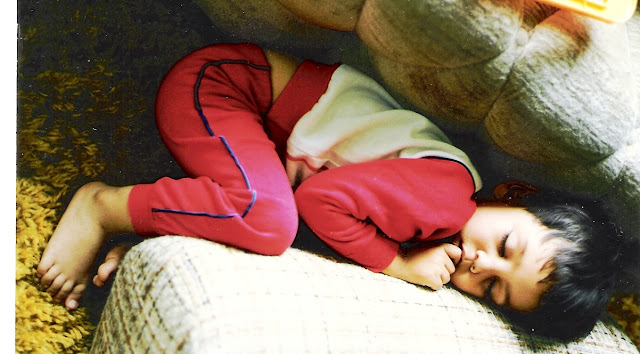
Sleepless at times...

I have been a night shift worker forever.I can tell you that I am a true blue night owl ... my day is most of the people's night and vice versa. I would be vacuuming or baking or doing laundry in the middle of the night when the rest of the family would be asleep. I used to think that I was functioning with only 2 hours of sleep. That was when I was, of course, younger. Thinking back, maybe I just had to make time for everything that was going on in my life. I went back to school and studying full time, raising a young son, managing a spic and span household, "pleasing" a husband and working full time. I guess maybe two hours of sleep was all I can afford and yet I was fine and had enough energy for all of my activities and even managed to maintain a 4.0 GPA. Later on when I went on for my ADN (RN degree) I had to talk to myself and made my self-expectations less than the previous years. Expectations such as: a little dust in the house is okay, take out meals once in a while is okay, B grades are okay, etc... That is another story.

After several years of minimal sleep and excessive physical demands, my body had to pay. I had a big time hormonal discrepancies ... my gynecologist called it "hormonal crisis". She blamed my night shift schedule for breaking my circadian rhythm. My hormones malfunctioned caused not only by sleep deprivation but also by stress and poor diet. That is another story I can go through later on. Anyways, now I require a lot more than two hours of sleep and that is my body's call, not my mental judgment. I am gifted in a way that I can do "power naps". I can program myself to sleep just like that and wake up feeling refreshed.

My issue still is that I sometimes have the difficulties getting the much needed sleep. Mentally, I rather do something else but sleep, but my aging body is fighting that thought thus I get into this chaotic sleep pattern. It is very seldom that I sleep through a long period of time ... 4-6 hours maximum is what I get. I am not into taking medicine but have tried the Tylenol PM. The problem is that I am overly sensitive to drugs ... Benadryl 25 mg will knock me out cold for 2 days. I don't feel safe with that, just because I am by myself, nobody to check me if I am still really asleep or has gone permanently bye-bye. In short nobody is here to listen if I am still snoring... hehehe!!!


S L E E P ... is the time for the physical and mental "recharging" of our bodies. The amazing thing though that I read was that our brain is as active in our sleep as when we are awake. No wonder I still have the mental fatigue when I wake up. AMAZING!!! And yet our bodies go through a general decrease in body temperature, blood pressure, breathing rate, and most other bodily functions.

Most experts say that we need at least 8 hours of sleep to go through the 2 cycles of non-REM (Rapid Eye Movement) sleep and REM sleep. Non-REM and REM sleep alternate in 90- to 110-minute cycles. A normal sleep pattern has 4-5 cycles. Think of it as going up and down the stairway or a roller coaster ... that is how the cycle goes.

So what is wrong with me??? Maybe as my gynecologist claimed ... my circadian rhythm was and is out of wack. C I R CA D I A N RHYTHM is also known as the biological clock. A cycle that lasts 24 hours is called circadian. Some physiological functions that are circadian include body temperature and certain hormone secretions. Humans have a natural cycle of approximately the length of one day. Small structures in the brain called suprachiasmatic nuclei (SCN) coordinate circadian rhythms. The SCN is very sensitive to the presence or absence of light. This may explain why daytime sleep has been found to be less restful than nighttime sleep.

Now I get it!!! Circadian rhythm is not night shift worker friendly. My sleep time is when there is abundance of light thus my SCN is not responding.

I always thought SLEEP is a waste of time but I should know better. Sleep enables the body and mind to rejuvenate, reenergize, and restore. As a person sleeps, it is thought that the brain performs vital housekeeping tasks, such as organizing long-term memory, integrating new information, and repairing and renewing tissue, nerve cells and other biochemicals. Sleep allows the body to rest and the mind to sort out past, present, and future activities and feelings.
Some suggestions for a "good night rest": To maintain a routine for bedtime and wake up time even on week-ends. Have a relaxing "unwinding" routines such as warm bath or warm shower, relaxing music, reading a relaxing book. Provide a sleep conducive environment as in making the room dark, cool or warm, quiet and comfortable. Have a comfortable mattress and pillow(s). Use the bed only for sleep and sex . And have a 2-3 hour gap between meal time and bed time, avoiding caffeine. And of course, exercise.

Sunday, March 25, 2007

Sssssspring Season!!!

S P R I N G is here, finally!!! My nose says so. I have been sneezing lately because of the increase presence of pollens around me. The ironic thing about me is that I am a gardener who loves to be out in the yard playing with dirt and what have you. I can spend all of my free time out there in the yard but then I am reminded of this chronic disease process that I have. Yes, it is not a serious one, only an annoying one at times. I have an Allergic Rhinitis - "hay fever" or "seasonal allergy". A gardener with the sneezing problem... how ironic!!! Sometimes when I am in "attack" of this, I sort of blurt out, "Why me? Why can't it be someone who does not like to garden?" But having allergic rhinitis/hay fever does not stop me from doing what I love to do so I learned to monitor the pollen count of the day, arm myself with Claritin D, make sure I have my Proventil inhaler, prescription nasal spray and prescription eye drops at hand in case I need them. I am in garden heaven during the full swing of spring when the blooms are in their grandiest display of beauty, armed with my protections...

According to the medical encyclopedia - Allergic rhinitis is a collection of symptoms, predominantly in the nose and eyes, caused by airborne particles of dust, dander, or plant pollens in people who are allergic to these substances. Allergies are caused by an over-sensitive immune response. The immune system normally protects the body against harmful substances such as bacteria and viruses. Allergy symptoms occurs when the immune system reacts to substances (allergens) that are generally harmless and in most people do not cause an immune response. When a person with allergies breathes in an allergen such as pollen or dust, antibodies are produced. When the antibodies are stimulated by pollen and dust, histamine and other chemicals are released. This causes itching, swelling, and mucus production. Symptoms vary from person to person. Very sensitive individuals can experience hives or other rashes. Hay fever involves an allergic reaction to pollen. A similar reaction occurs with allergy to mold, animal dander, dust, and similar inhaled allergens. Symptoms: Coughing, headache, itching nose, mouth, eyes, throat, skin, or any area, runny nose, sneezing, tearing eyes, sore throat and wheezing. Treatments: The goal of treatment is to reduce allergy symptoms caused by the inflammation of affected tissues. The best "treatment" is to avoid what causes your allergic symptoms in the first place. It may be impossible to completely avoid all allergens to which you are sensitive, but you can often take steps to reduce exposure. Medication options: Short-acting antihistamines; longer-acting antihistamines; nasal corticosteroid sprays; decongestants; eye drop versions of cromolyn sodium and antihistamines are available for itchy, bloodshot eyes; and leukotriene inhibitor.


Happy spring season!!! Accccchhhhhhhoooooo...